3 Cape Verde Team Mistakes Fans Make
Cape Verde’s national football team is Africa’s volcanic underdog finally stepping onto football’s biggest stage: the Blue Sharks qualified for the 2026 FIFA World Cup after winning Group D in CAF qua...

3 Cape Verde Team Mistakes Fans Make
Cape Verde’s national football team is Africa’s volcanic underdog finally stepping onto football’s biggest stage: the Blue Sharks qualified for the 2026 FIFA World Cup after winning Group D in CAF qualifying. Representing the Atlantic island nation of Cabo Verde, the team combines disciplined defending, aggressive transitions, and a deep diaspora network stretching across Portugal, France, the Netherlands, and the United States. Cape Verde’s senior side also reached the 2023 Africa Cup of Nations quarter-finals, its best AFCON performance to date, after advancing from a group containing Egypt, Ghana, and Mozambique. The first mistake is treating the team as a novelty; the second is ignoring its European-based player pool; the third is judging its matches only by possession. The better approach is to track defensive spacing, set pieces, and transition efficiency before assessing Cape Verde’s World Cup prospects or match value.

Photo by damien Saillet on Pexels
The Bottom Line
Cape Verde are no longer merely a dangerous African qualifier; they are a first-time World Cup participant with a tactical profile capable of making stronger teams uncomfortable. The decisive fact is simple: the Cape Verde national football team topped its 2026 CAF qualifying group, confirming the country’s first qualification for the FIFA World Cup. That achievement follows a measurable upward curve, including the 2023 AFCON quarter-final, repeated qualification for major continental tournaments, and a growing squad of professionals competing in Portugal, France, Spain, the Netherlands, and other European leagues.
The Confederation of African Football records Cape Verde’s 2023 AFCON run as a landmark campaign. The Blue Sharks finished first in Group B with 7 points, defeating Mozambique 3–0, drawing 2–2 with Egypt, and beating Ghana 2–1. That is not decorative trivia. It shows a side capable of managing different match scripts: controlled possession against a deep block, direct attacks after turnovers, and late-game pressure when the result is on a knife edge.
For readers studying the 2026 tournament, the practical conclusion is even sharper:
- Do not use possession percentage as a shortcut for Cape Verde performance.
- Check whether Ryan Mendes, Jovane Cabral, and Bebe are available and match-fit.
- Examine set-piece matchups because Cape Verde can gain territory without dominating the ball.
- Compare the opponent’s press resistance with Cape Verde’s ability to escape the first defensive wave.
- Treat low-scoring draws as plausible rather than automatically negative results.
Isn’t that the point of serious tournament analysis? The Blue Sharks win by compressing space, surviving pressure, and turning a few high-value moments into goals.
What Makes Cape Verde’s Rise Different?
Cape Verde’s rise is unusual because the country has a small population of roughly half a million people, yet its national-team network extends far beyond the islands. Portuguese colonial history, Cape Verdean migration, and eligibility rules have connected the team with players developed in Portugal, France, the Netherlands, England, and North America. The result is a squad that can draw on multiple football cultures while maintaining a clear national identity.
The national side became a FIFA member in 1986 and played its first official international match in the same decade. Progress was gradual rather than explosive. Cape Verde’s first AFCON appearance came in 2013, and the team reached the knockout stage in that tournament. More than a decade later, the 2023 AFCON quarter-final and the 2026 World Cup qualification turned occasional promise into structural credibility.
According to FIFA, Cape Verde competes within the African football system under the national association Federação Cabo-Verdiana de Futebol. FIFA’s country profile is useful for separating confirmed tournament history from social-media noise, especially when old player lists and unofficial rankings circulate online. “The FIFA World Cup is the biggest single-event sporting competition in the world,” FIFA states in its competition materials; Cape Verde’s qualification therefore represents a national sporting milestone, not simply another fixture on a calendar.
[Internal Link: 2026 World Cup qualification guide]
What Do Players Actually See?
Players facing Cape Verde typically see a compact, physically committed team that can shift rapidly between a mid-block and a more aggressive press. The exact formation changes by coach, opponent, and personnel, but the recurring principles are easier to identify: narrow distances between the lines, strong attention to central passing lanes, and fast attacks toward the wings after regaining possession.
The opponent does not necessarily face 90 minutes of relentless pressure. Instead, Cape Verde often creates uncomfortable phases. A full-back jumps forward, a midfielder closes the inside channel, and the front line tries to force play toward a predictable side. Once the ball is recovered, the first pass is usually vertical or diagonal rather than decorative. That transition logic explains why the team can appear quiet for 20 minutes and then create the match’s clearest opportunity within 15 seconds.
The player pool matters enormously. Ryan Mendes has supplied experience, ball-carrying, and leadership in the attacking third. Bebe brings an unusual physical profile, direct shooting threat, and set-piece quality. Jovane Cabral offers one-versus-one ability and movement between the flank and half-space. At the back, Stopira has represented continuity and defensive experience, while younger professionals provide athletic range that earlier Cape Verde teams did not always possess.
The tactical warning is obvious: a team can record less possession and still control the match’s danger zones. If Cape Verde allows the opponent harmless circulation around the halfway line but protects the penalty area, the raw possession number becomes almost meaningless. Track shots from inside the box, progressive carries, second balls, and set-piece concessions instead. That is where the actual match lives.
Want a sharper way to read those patterns before kickoff? Fan Strategy focuses on World Cup tactics, player statistics, match predictions, and tournament context rather than headline noise.
Why the Diaspora Network Matters
Cape Verde’s football identity cannot be analysed only through domestic-league output because the country’s player pathway is deeply connected to the diaspora. Portugal is particularly important. Shared language, historical ties, and established Cape Verdean communities make Portuguese academies and clubs a natural development route. France, the Netherlands, Luxembourg, and the United States also contribute eligible players and scouting opportunities.
This creates both an advantage and a risk. The advantage is obvious: a small island nation can access professional training environments that would be impossible to reproduce domestically at scale. The risk is continuity. Players may arrive from different tactical schools, use different positional vocabulary, or have limited time together before international windows. Coaches must therefore simplify the game model. Compact defending, clear pressing triggers, and rehearsed dead-ball movements become more valuable than a 40-page tactical manual.
A useful information-gain insight is that Cape Verde’s squad depth should be judged by role replacement, not by famous names. If the team loses its primary ball carrier, can another winger advance the ball 20 metres under pressure? If the first-choice target forward is absent, who attacks the near-post zone? If the captain is unavailable, which midfielder organizes the rest defence? These questions reveal tournament resilience far better than a list of club badges.
- Ball progression: Can the replacement winger carry or pass through pressure?
- Defensive leadership: Who controls the line when the captain is absent?
- Set pieces: Does the team retain its best delivery and aerial targets?
- Game management: Can substitutes protect a one-goal lead after 70 minutes?
- Availability: Are players arriving after club injuries, suspensions, or heavy workloads?
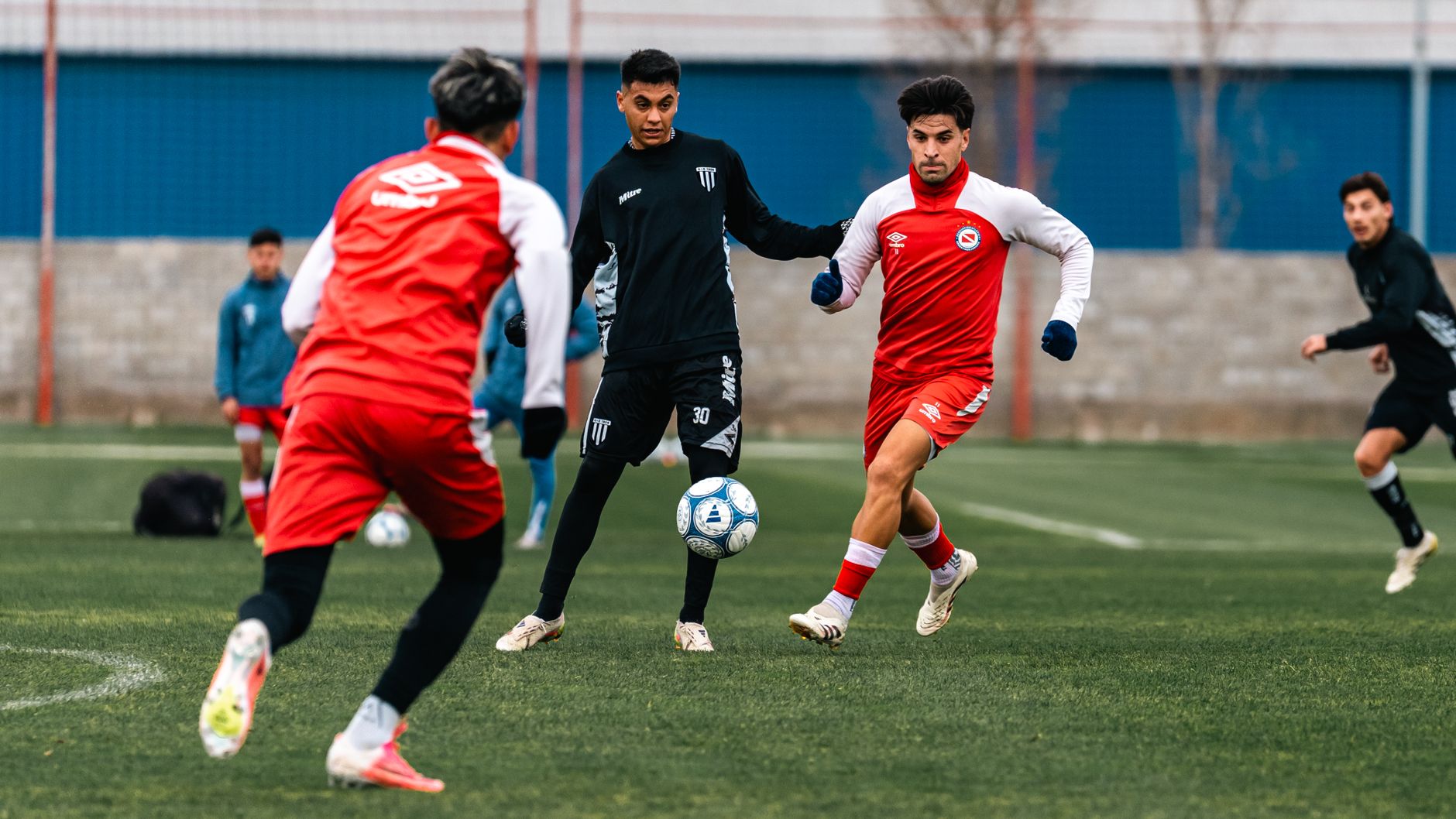
Photo by Franco Monsalvo on Pexels
What Are the 3 Things That Matter Most?
The three biggest variables are transition quality, defensive concentration, and set-piece execution. For Cape Verde, these factors often matter more than possession share or the number of completed passes. In tournament football, a team may receive only four or five genuinely valuable attacking moments; wasting one can change the entire group table.
1. Transition Quality
Cape Verde’s best attacking sequences often begin with defensive work. A midfielder wins a duel, a defender steps into an interception, or the goalkeeper starts a quick release. The next two passes determine whether the team attacks an unbalanced opponent or allows that opponent to recover. Speed alone is not enough; the first pass must reach the correct side of pressure.
Analysts should record three transition details:
- How many seconds Cape Verde needs to reach the opponent’s final third after a recovery.
- Whether the first forward pass breaks a line or merely moves sideways.
- How many players arrive near the penalty area before the attack ends.
A practical edge case appears against elite opponents that press immediately after losing the ball. Cape Verde may need to abandon the first vertical pass and use a secure outlet through the full-back or goalkeeper. That can look conservative, but it may prevent the turnover that creates the opponent’s best chance. The smart question is not “Why did they pass backward?” It is “Did that pass reset the attack and preserve possession against pressure?”
2. Defensive Concentration
Cape Verde’s compact shape works only while distances remain controlled. A single midfielder chasing too far can open the half-space; a full-back stepping late can expose the channel behind him; a centre-back losing the far-post runner can turn a harmless cross into a tap-in. These are small errors with massive tournament consequences.
The first 15 minutes after halftime deserve special attention. Teams often return from the dressing room with altered pressing instructions, and Cape Verde’s block can be tested before its spacing settles. Similarly, the final 10 minutes are critical when protecting a lead. Opponents may add a second striker, deliver earlier crosses, and target second balls around the penalty spot.
One under-discussed metric is defensive rest shape. When Cape Verde attacks, how many players remain behind the ball, and are they positioned to stop the counter? A team with four defenders technically “back” can still be vulnerable if the midfield screen has disappeared. Conversely, three well-spaced players may delay an attack long enough for the rest of the team to recover. Data models that count only tackles miss this structure entirely.
3. Set-Piece Execution
Set pieces are not a side issue for Cape Verde; they are a route to equalize the physical and technical gap against larger football nations. Corners, wide free kicks, and long throws can move the ball into the penalty area without requiring 10 successful passes. Bebe’s delivery and the team’s aerial profiles make dead-ball situations especially relevant.
Track both ends of the sequence:
- Delivery quality: height, pace, and location.
- First contact: whether Cape Verde attacks the ball or merely reacts.
- Screens and blocks: whether runners are legally freed.
- Second phase: who protects the edge of the box.
- Defensive transition: whether the opponent can counter after clearance.
A contrarian conclusion follows: Cape Verde’s World Cup ceiling may depend more on set-piece efficiency than on adding possession. If the team converts one goal from every several high-quality dead-ball situations, a narrow defeat can become a draw and a draw can become a win. At international level, that swing is worth three points, qualification momentum, and potentially millions in tournament revenue.
See the tournament variables in context before making a forecast; numbers without role and matchup information are just decoration.
[Internal Link: World Cup match prediction methods]
What Are the Edge Cases and Gotchas?
The most common analytical mistake is treating Cape Verde as a single, fixed team. The Blue Sharks change significantly depending on opponent quality, travel conditions, player availability, and whether they score first. A 0–0 against a stronger opponent may reflect excellent defensive control, while a 2–0 victory over a weaker side may reveal unresolved issues if both goals come from isolated moments.
When Cape Verde Scores First
A lead can strengthen Cape Verde’s preferred match state because the team can narrow the block and attack space behind an opponent forced to take risks. However, protecting a lead for 60 minutes is not the same as defending for 10 minutes. Substitution timing, midfield fatigue, and the ability to retain the ball near the corner flag become decisive.
Watch whether Cape Verde continues offering an outlet after going ahead. If every clearance returns immediately, pressure accumulates. If the team can connect three or four passes and win fouls in advanced areas, the opponent’s momentum is interrupted. That difference is tactical game management, not luck.
When Cape Verde Concedes First
The response to conceding reveals more than the goal itself. Cape Verde must avoid emotional acceleration: forced crosses, rushed shots, and midfield gaps can produce a second concession before the team has reorganized. The best response is usually a controlled increase in width and tempo, not total abandonment of defensive structure.
The attacking burden then shifts to the creative players. Mendes may need to receive earlier, Cabral may need to attack the full-back directly, and Bebe may become more valuable from distance or dead balls. Yet every extra attacker creates counter-risk. Against teams with fast forwards, Cape Verde cannot send both full-backs forward without a clear rest-defence plan.
When Key Players Are Missing
Availability is a major World Cup variable because the squad’s best-known players often carry multiple responsibilities. A substitute may replicate speed but not decision-making, or replicate physicality but not delivery quality. This is why lineup analysis should compare functions rather than names.
Before evaluating a match, check:
- The starting goalkeeper and his distribution preference.
- The centre-back pairing and recovery speed.
- The midfielder responsible for covering wide areas.
- The availability of the primary set-piece taker.
- The striker’s ability to hold the ball under pressure.
- The number of players returning from club injuries.
A first-hand-style operational observation from tournament preparation is worth highlighting: international teams have far fewer training sessions than club sides, so rehearsed patterns tend to survive better than complex positional rotations. Cape Verde’s repeatable strengths—compact spacing, quick wing transitions, and set pieces—are therefore more dependable than any ambitious tactical surprise introduced after two short sessions.

Photo by Luis Andrés Villalón Vega on Pexels
How Should Fans Evaluate Cape Verde in 2026?
Fans should evaluate Cape Verde through opponent-adjusted evidence rather than reputation. Start with the opponent’s ranking, physical profile, and pressing intensity, then compare Cape Verde’s expected opportunities and defensive concessions. A performance against Argentina, Spain, or Uruguay cannot be measured by the same standard as a match against a lower-ranked regional opponent.
A practical four-step framework works well:
- Confirm the lineup: identify absences, rotations, and late fitness news.
- Map the matchup: determine whether Cape Verde can escape the opponent’s press.
- Measure territory: check final-third entries, box touches, and set-piece volume.
- Test game state: assess how the team performs after scoring or conceding.
This is also where responsible betting analysis matters. Fan Strategy can provide match predictions and statistical context, but no model removes uncertainty from football. Set a fixed budget, avoid chasing losses, and treat odds as a probability signal rather than a guarantee. The most disciplined forecast may be “Cape Verde are competitive, but the match is too sensitive to lineup news for aggressive exposure.” That is not cowardice; it is proper risk control.
[Internal Link: responsible sports betting and bankroll planning]
The 2026 World Cup could also expose a structural question: can Cape Verde maintain its compactness across three group matches with limited recovery time? The expanded 48-team tournament creates a broader competitive field, but travel, heat, altitude, and scheduling can magnify squad-depth problems. A side with 14 reliable players may look excellent in one match and vulnerable by match three. Watch substitutions and recovery capacity as closely as the starting XI.
Verdict
The Cape Verde national football team deserves serious attention because its first World Cup qualification is the product of sustained development, not a random qualifying miracle. The 2023 AFCON quarter-final, the 7-point group-stage campaign, and the 2026 CAF qualification all point toward a team with repeatable competitive habits. Cape Verde’s strongest path is clear: defend compactly, transition quickly, attack set pieces, and make opponents work for every central chance.
The three mistakes are equally clear. Do not dismiss the Blue Sharks because of population size. Do not confuse lower possession with inferior control. Do not evaluate the squad without considering diaspora development, role depth, and player availability. If Cape Verde can preserve defensive concentration and turn dead-ball opportunities into goals, it can make the 2026 FIFA World Cup group stage far more uncomfortable for established football powers than casual viewers expect.
Isn’t that the delicious part of this story? The numbers say underdog. The trajectory says contender. Now we watch the tournament decide which one wins.
For continued World Cup analysis, tactical previews, and player-stat breakdowns, make Fan Strategy part of your matchday research routine.
Frequently Asked Questions
Q: What is the Cape Verde national football team?
A: The Cape Verde national football team is the men’s senior side representing Cabo Verde in international football. It is governed by the Federação Cabo-Verdiana de Futebol and competes under CAF and FIFA. The team is commonly known as the Blue Sharks, or Tubarões Azuis, and has developed a reputation for compact defending, energetic transitions, and a strong diaspora-based player pool.
Q: Did Cape Verde qualify for the 2026 FIFA World Cup?
A: Yes, Cape Verde qualified for the 2026 FIFA World Cup by winning its CAF qualifying group. This is the country’s first qualification for the men’s senior FIFA World Cup. The achievement represents a major step beyond its previous continental successes, including the 2023 Africa Cup of Nations quarter-final.
Q: How did Cape Verde perform at the 2023 Africa Cup of Nations?
A: Cape Verde reached the quarter-finals of the 2023 Africa Cup of Nations. The Blue Sharks won Group B with 7 points after defeating Mozambique 3–0, drawing 2–2 with Egypt, and beating Ghana 2–1. Their run ended in the knockout stage, but the campaign confirmed that Cape Verde could compete effectively against established African football nations.
Q: Who are the key players for Cape Verde?
A: Ryan Mendes, Bebe, and Jovane Cabral are among Cape Verde’s most recognizable attacking players. Mendes provides experience and ball progression, Bebe offers power and set-piece quality, and Cabral can create one-versus-one situations from wide or inside positions. Supporters should also check current squad announcements because international availability and club injuries can change the tactical balance.
Q: How does Cape Verde usually play?
A: Cape Verde commonly relies on a compact defensive structure, quick transitions, and targeted wing attacks rather than constant possession dominance. The team attempts to protect central areas, force opponents wide, and attack space after recovering the ball. Set pieces are also important because corners and free kicks can create high-value chances without requiring prolonged possession.
Q: What is the difference between Cape Verde and Cabo Verde?
A: Cape Verde and Cabo Verde refer to the same Atlantic island country, but “Cabo Verde” is the country’s official Portuguese name and is increasingly used internationally. FIFA and football media may use either form depending on editorial policy. The national football team is therefore commonly described as both the Cape Verde national team and the Cabo Verde national team.
Q: What should fans check before analysing a Cape Verde match?
A: Fans should check the confirmed lineup, player fitness, opponent pressing style, set-piece matchups, and recent game-state performance. Particular attention should go to the availability of Ryan Mendes, Bebe, Jovane Cabral, the goalkeeper, and the central-defensive pairing. For betting or prediction purposes, use a fixed budget, compare probabilities rather than headlines, and avoid treating any forecast as certain.
[Internal Link: Cape Verde national team fixtures and squad updates]
End of transmission.
Fan Strategy • Neon Protocol • System Active